
Introduction
Watching your loyal companion grow into their senior years is a heartfelt journey. As dogs turn 7 years old and older, their bodies undergo noticeable changes: stiff arthritic joints, weakened leg muscles, diminished eyesight and hearing, slower reflexes, and even occasional incontinence. A home that worked perfectly for a playful young pup can quickly become a dangerous space for an aging dog. Slippery floors, tall stairs, high furniture and dim lighting all raise the risk of falls, injuries, stress and chronic discomfort.
Creating a senior dog-friendly home is not just a luxury — it is a necessary way to protect their health, preserve their quality of life, and extend the joyful time you share together. You do not need a full home renovation to make big improvements. Below are 10 practical, budget-friendly and long-lasting modifications tailored to the unique needs of older dogs.
1. Install Non-Slip Flooring & Mats to Prevent Slips and Falls

Slippery hardwood, tile or laminate floors are the number one hazard for senior dogs with arthritis, hind leg weakness or poor balance. Young dogs can easily regain their footing, but aging pups have less muscle control and stiff joints; a single slip can lead to torn ligaments, fractures or severe joint pain that takes months to heal.
Practical Modifications:
- Place thick, machine-washable non-slip rubber mats along main walking paths, from their bed to food bowls and the entryway. Avoid thin decorative rugs that can slide or bunch up under paws.
- For full-room coverage, use low-pile carpet or peel-and-stick non-slip floor treads.
- If you have large tile areas near doors or bathrooms, add textured floor strips to create stable footing.
2. Replace Tall Stairs with Dog Ramps or Low Profile Steps

Stairs are extremely challenging for senior dogs, especially those with hip dysplasia, degenerative myelopathy or stiff knees. Climbing up and down forces extra pressure on sore joints, and descending stairs raises fall risks dramatically.
Practical Modifications:
- Add a portable dog ramp for access to couches, beds and outdoor entry steps. Foldable ramps are ideal for small spaces.
- For permanent indoor staircases, choose wide, low dog steps instead of narrow human stairs.
- If your dog refuses to use ramps at first, guide them slowly with treats and positive reinforcement.
3. Upgrade to Orthopedic Dog Beds for Joint Relief & Pressure Care
Older dogs sleep more than half the day, so their resting space directly impacts their overall comfort. Standard thin cushions or hard floors worsen joint pain and can cause pressure sores.
Practical Modifications:
- Swap old beds for a thick orthopedic memory foam dog bed. Memory foam conforms to their body, relieves pressure on hips, elbows and spine.
- Place the bed in a quiet, warm area away from drafty windows or high-traffic zones.
- For dogs with limited movement, choose beds with low raised sides so they can climb in and out without lifting their legs too high.
4. Raise Food & Water Bowls to Reduce Neck and Shoulder Strain

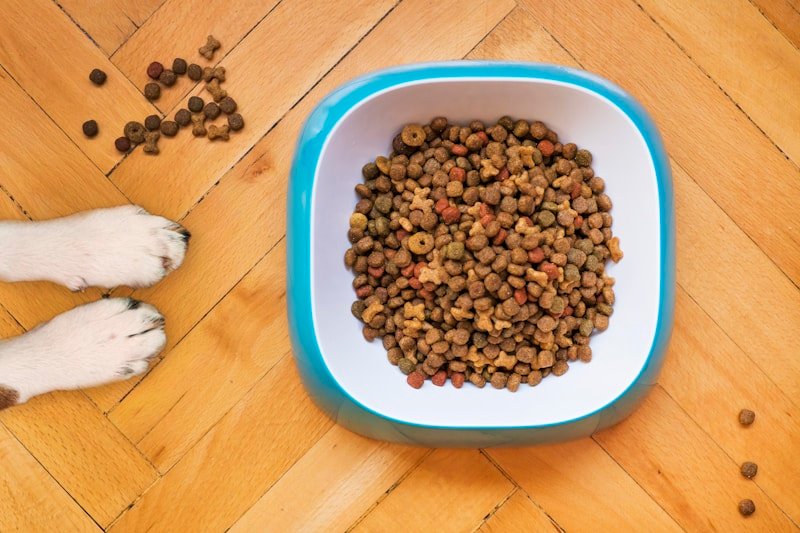
Bending down to eat and drink puts unnecessary stress on a senior dog’s neck, spine and front legs — particularly for large breeds, dogs with arthritis, or pups recovering from injury. Many older dogs also develop a reduced appetite simply because bending over feels painful.
Practical Modifications:
- Use elevated dog bowls with adjustable heights. Match the bowl height to your dog’s shoulder level.
- Always set bowls on a non-slip mat to prevent the dishes from sliding across the floor.
- For dogs with dental issues or low energy, use wider, shallow bowls instead of deep narrow ones.
5. Improve Overall Lighting for Dogs with Vision Loss

Vision loss, cloudy eyes and night blindness are extremely common in senior dogs. Dim rooms, dark hallways and shadowed corners leave them disoriented, nervous and prone to bumping into furniture or walls. Poor lighting also worsens anxiety in dogs with canine cognitive dysfunction.
Practical Modifications:
- Install soft, low-glare night lights along hallways, near stairs, and beside their bed. Keep these lights on 24/7.
- Avoid harsh overhead lights that create strong shadows. Use table lamps or floor lamps with diffused light.
- Keep window coverings partially open to maintain natural light during the day.
6. Create Accessible Potty Zones for Dogs with Incontinence
Age-related incontinence, weak bladder control and slow movement mean many senior dogs cannot wait to walk all the way outside to use the yard. For dogs with limited mobility, long trips outdoors become exhausting and stressful.
Practical Modifications:
- Set up an indoor potty station near your dog’s usual resting area. Use washable dog pee pads or artificial grass potty mats.
- If your home has a patio or sunroom, convert this into a semi-outdoor potty spot with easy, short access.
- Keep cleaning supplies within reach for quick cleanups. Choose waterproof floor coverings under potty areas.
7. Modify Bathrooms to Eliminate Slip Hazards

Bathrooms are one of the most dangerous rooms for senior dogs. Wet tile floors, tight spaces and hard surfaces combine to create high fall risks. Many older dogs also need extra help after baths or when drinking from bathroom water sources.
Practical Modifications:
- Lay large non-slip bath mats across the entire bathroom floor, especially around bathtubs and shower areas.
- Add a sturdy bath ramp if you regularly bathe your senior dog, so they do not have to climb over high tub edges.
- Keep bathroom doors slightly open at all times, so your dog never gets trapped in a tight, slippery space.
8. Clear Walking Paths of Clutter and Small Hazards
Young dogs easily navigate around shoes, toys, furniture legs and loose cables, but senior dogs with poor eyesight, stiff joints or cognitive struggles cannot dodge obstacles. Tripping over small items is a leading cause of preventable injuries.
Practical Modifications:
- Keep all main walking routes completely clear. Pick up shoes, bags, toys, cords and small furniture from hallways and living areas.
- Secure loose electrical cords with cord covers or tape. Senior dogs may also chew out of boredom or confusion.
- Rearrange furniture to create wide, straight pathways from your dog’s bed to food, water and exit doors.
9. Add Extra Warmth for Dogs with Poor Circulation & Sore Joints

Older dogs often have slower blood circulation and thinner body fat, making them much more sensitive to cold temperatures. Cold air directly worsens arthritic pain, stiffness and shakiness in senior pups.
Practical Modifications:
- Place soft, warm blankets over their orthopedic bed, especially during fall and winter. For dogs that get cold easily, use lightweight pet-safe heating pads.
- Block cold drafts from windows, doors and air vents near your dog’s resting area.
- In winter, avoid letting your dog lie directly on cold floors for long periods.
10. Install Support Aids for Dogs That Struggle to Stand Up

Many senior dogs lose leg strength over time and struggle to rise from lying or sitting positions. Constant straining to stand up adds more pain to sore joints and muscles.
Practical Modifications:
- Add sturdy furniture handles or soft support harnesses around beds and couches.
- For large breed senior dogs, keep a portable lifting sling handy for daily assistance.
- Avoid pushing or pulling your dog from above; always support their chest and hindquarters for safe movement.
Conclusion
Transforming your house into a senior dog-friendly home does not require expensive renovations or complicated work. The 10 modifications above focus on solving the most common age-related challenges: slippery floors, difficult stairs, joint pain, vision loss, incontinence and limited mobility.
Every small change you make shows care for your aging companion. When your home adapts to their body, your senior dog will feel more confident, relaxed and happy. Take time to observe your dog’s daily habits — notice where they hesitate, slip or struggle — and start with the easiest upgrades first. Over time, these adjustments will create a safe, loving space where your loyal friend can enjoy their golden years to the fullest.