Watching our beloved dogs grow older is one of the most bittersweet parts of pet parenthood. The playful puppy zoomies fade into slow, gentle walks, the endless energy turns into cozy afternoon naps, and their once-sharp movements become stiff and cautious.
For most senior dogs, joint health decline is an inevitable part of aging—and it is one of the most common, yet often overlooked, health struggles aging pups face.
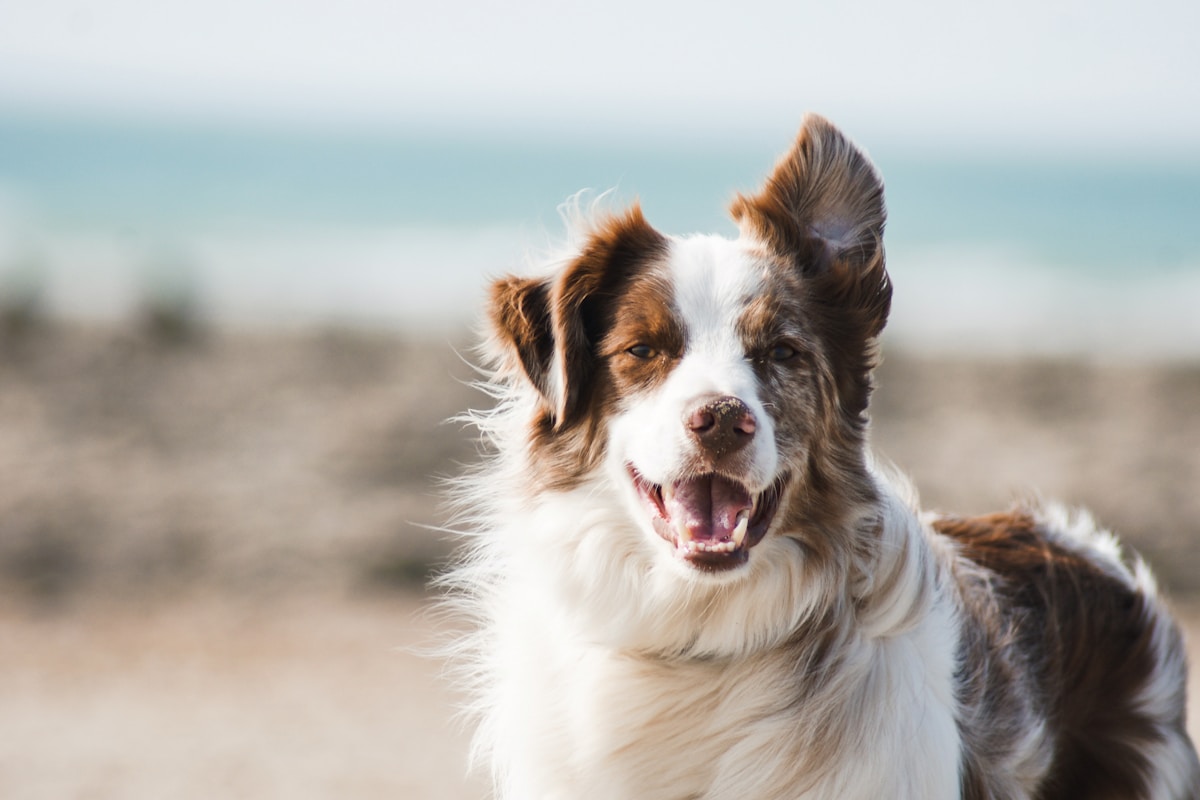
If you have noticed your senior dog hesitating to jump on the couch, struggling to climb stairs, limping after a long walk, or feeling stiff after waking up in the morning, they are likely showing early signs of joint deterioration.
Why Do Joint Problems Happen in Senior Dogs?
A dog joints are made up of bones, smooth cartilage, synovial fluid, and connective tissues that work together to enable flexible, smooth movement. When dogs are young and active, their cartilage is thick, elastic, and well-lubricated, acting as a cushion to absorb impact from running, jumping, and walking.
As they age—typically starting at 7 years old for medium to large breeds, and 9–10 years old for small breeds—this natural cushioning system begins to break down gradually:
- Cartilage thins out and loses elasticity
- Synovial fluid decreases in volume and viscosity
- Bones rub against each other without proper cushioning
- Joints become dry, stiff, and painful

Common Joint Conditions in Senior Dogs
Osteoarthritis is the most widespread joint condition in senior dogs. Unlike acute injuries, canine osteoarthritis is a chronic, degenerative condition that develops slowly over years.
Large and giant breeds like Golden Retrievers, German Shepherds, Labradors, and Great Danes are genetically predisposed due to their heavy body weight placing constant pressure on hips, elbows, and knees.
Even small breeds such as Poodles and Shih Tzus are prone to patellar luxation and spinal joint degeneration.
Contributing factors:
- Extra body weight
- Lack of consistent exercise
- Poor diet
- Past injuries
- Genetic predispositions
Warning Signs to Watch For
The biggest mistake many pet parents make is dismissing early joint symptoms as normal old dog laziness. Many senior dogs hide their pain instinctively, so subtle behavior changes are often the only clues.
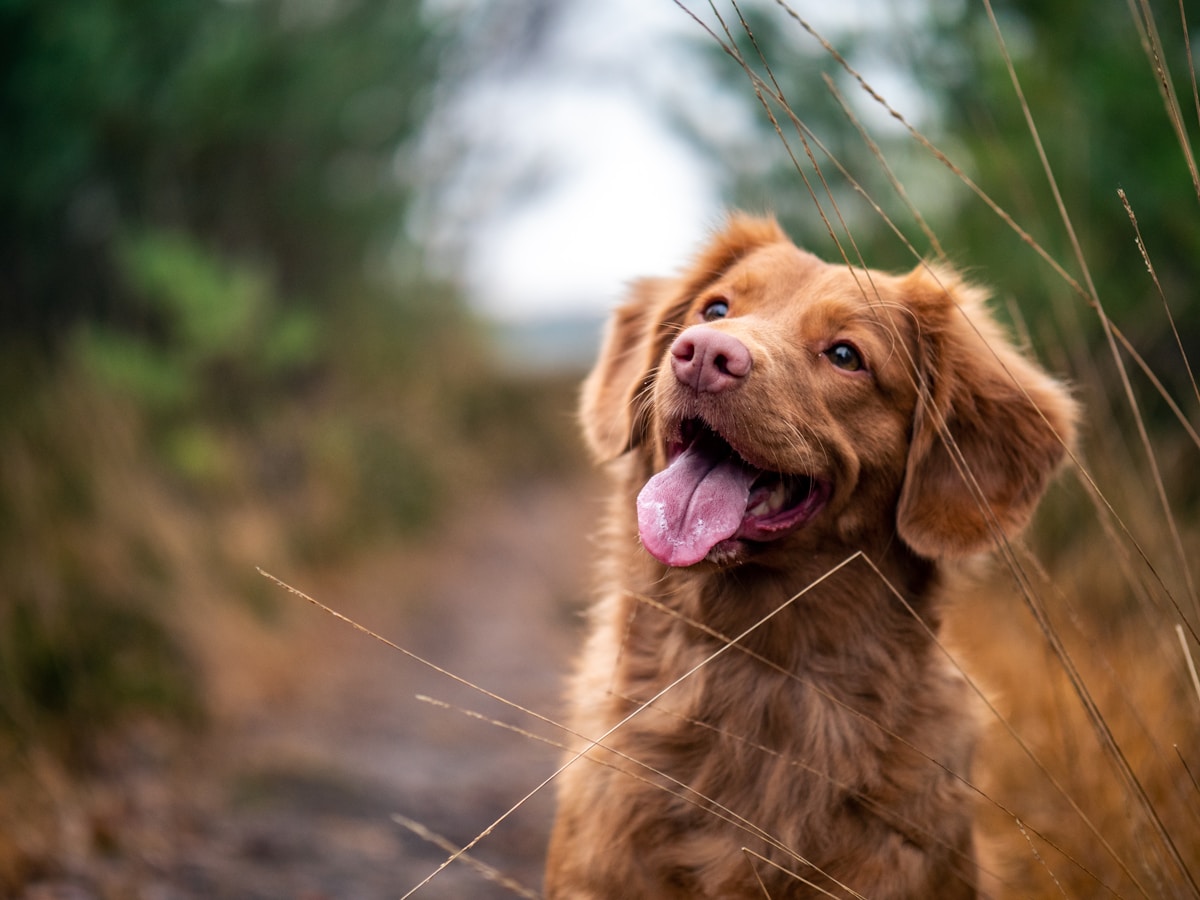
Common warning signs include:
- Morning stiffness that eases after a few minutes of movement
- Reluctance to climb stairs, jump on furniture, or get into the car
- Decreased activity level and disinterest in walks or playtime
- Limping or favoring one leg
- Difficulty standing up from lying or sitting positions
- Visible swelling in joints
- Increased irritability or aggression when touched on sore areas
- Changes in sleeping patterns due to nighttime joint pain
The Four Pillars of Senior Dog Joint Care
Consistent, holistic care is far more effective than occasional treatments. Senior dog joint care relies on four core pillars:
- Balanced Nutrition
- Moderate and Targeted Exercise
- Safe Lifestyle Adjustments
- Proper Supplementation & Veterinary Care
Pillar 1: Nutrition
Weight management is non-negotiable. Every extra pound adds excessive pressure on hip, knee, and spine joints, accelerating cartilage wear.
Key nutrients for joint health:
- High-quality animal protein — preserves muscle mass to support joints
- Omega-3 fatty acids (EPA and DHA) — reduce joint swelling and nourish damaged cartilage
- Glucosamine and chondroitin — help rebuild cartilage and boost synovial fluid production
- Low-calorie, high-fiber senior formulas — maintain healthy body condition
Pillar 2: Exercise
A common misconception is that dogs with joint pain should rest completely. In reality, prolonged inactivity causes muscle atrophy, stiffens joints further, and worsens mobility issues.
Recommended low-impact exercises:
- Short, slow daily walks on flat, soft ground — avoid steep hills, concrete, and intense running
- Swimming and hydrotherapy — water buoyancy eliminates joint pressure while engaging full-body muscles
- Gentle daily stretching — improves joint range of motion and reduces morning stiffness
Always stop immediately if your dog shows signs of fatigue or pain. Consistency with light activity beats sporadic intense workouts.
Pillar 3: Lifestyle Modifications
Non-slip home environment: Add non-slip rugs, carpet runners, and paw grip tape on hard floors to prevent slipping and reduce joint strain.
Orthopedic dog bed: Thin, flat beds put pressure on sore joints. Orthopedic memory foam beds contour to the body, cushion pressure points, and support the spine, hips, and knees.
Pet ramps and steps: Install ramps or low steps to eliminate jumping and climbing strain on stairs and furniture.

Weather considerations: Cold, damp weather worsens joint inflammation. Limit outdoor time on rainy or frigid days and keep their sleeping area warm and dry.
Pillar 4: Supplementation & Veterinary Care
Gold-standard joint supplements:
- Glucosamine + Chondroitin — rebuild cartilage, lubricate joints, reduce degeneration
- MSM (Methylsulfonylmethane) — eases inflammation and relieves chronic pain
- Fish oil (Omega-3s) — combats systemic inflammation that exacerbates arthritis
Important: Always choose vet-recommended, dog-specific supplements. Never give human supplements or human painkillers (ibuprofen, acetaminophen) — they can be toxic and cause organ failure in dogs.
Regular vet checkups: Senior dogs should visit the vet at least twice a year. For advanced joint degeneration, vets may recommend physical therapy, laser therapy, or acupuncture.
It Is Never Too Early — or Too Late
Caring for a senior dog joints is not about curing aging—it is about honoring their years of loyalty by preserving their comfort, mobility, and joy.
Small, daily habits make a world of difference:
- Controlled exercise
- Nutrient-rich meals
- A safe, non-slip home environment
- Consistent vet care
Even if your senior pup has not shown obvious stiffness yet, proactive prevention can delay age-related joint issues for years. And if they are already struggling, gentle, consistent care can drastically improve their quality of life.
Every slow walk, every soft bed, and every nutrient-rich meal is a loving investment in their health. Lets help our senior pups move freely, play gently, and enjoy every precious moment of their golden years by our side.